

Our Blog
Kids Dentist: Dental Development Milestones
January 22, 2026 / Dentistry
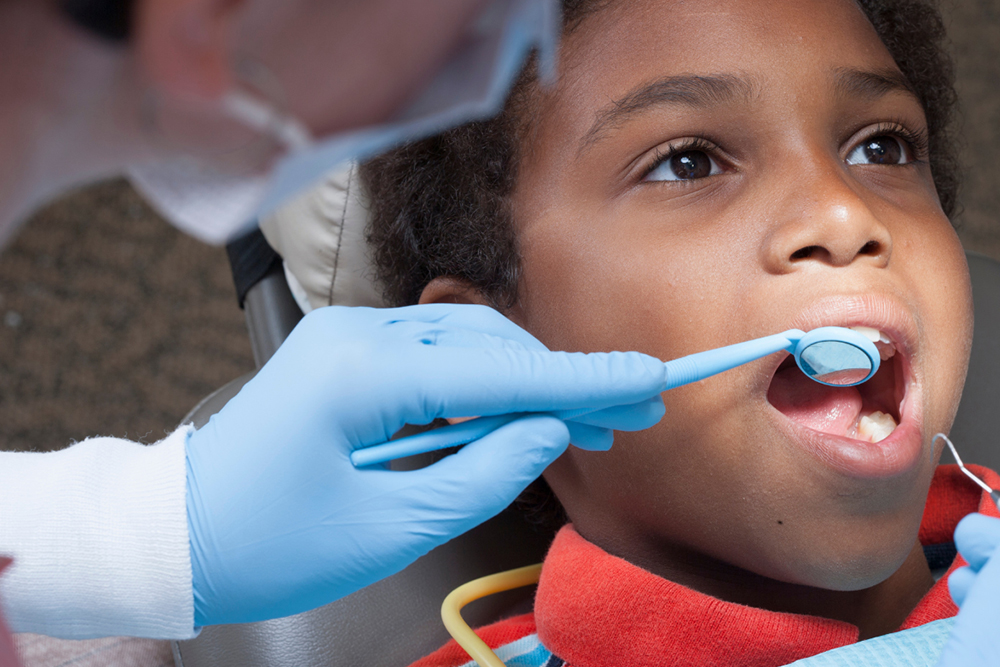
Understanding dental development milestones helps parents recognize when their child's oral health is progressing normally. A trained kids dentist monitors these important stages at each appointment to ensure proper growth and development. At Stonehaven Dentistry in Mississauga, the team specializes in tracking developmental milestones and identifying potential concerns early when intervention is most effective.
Primary Tooth Eruption Timeline Monitored by Your Kids Dentist
Primary teeth, also called baby teeth, follow a predictable eruption pattern. A knowledgeable kids dentist tracks this timeline to ensure normal development and identify any delays that may require attention.
Typical Primary Tooth Eruption Schedule:
- 6 to 10 months: Lower central incisors (bottom front teeth)
- 8 to 12 months: Upper central incisors (top front teeth)
- 9 to 13 months: Upper lateral incisors
- 10 to 16 months: Lower lateral incisors
- 13 to 19 months: First molars (top and bottom)
- 16 to 22 months: Canine teeth (pointed teeth)
- 23 to 31 months: Second molars (back teeth)
Most children have all 20 primary teeth by age three. However, variations in this timeline are common and not always concerning. A kids dentist evaluates whether delays fall within normal ranges or require further investigation.
When Delays May Prompt Evaluation:
A kids dentist may recommend evaluation if no teeth have erupted by 12 months. Significant delays in multiple teeth may indicate underlying conditions. Nutritional deficiencies, genetic factors, or developmental disorders can affect tooth eruption timing.
Early eruption can also warrant attention from a kids dentist. Teeth appearing before four months may be natal or neonatal teeth. These require assessment to determine if they should remain or be removed.
Permanent Tooth Development Stages Your Kids Dentist Tracks
Permanent teeth begin developing long before they become visible. A skilled kids dentist monitors this process through examinations and X-rays to ensure proper development.
Permanent Tooth Eruption Timeline:
- 6 to 7 years: First molars and lower central incisors
- 7 to 8 years: Upper central incisors and lower lateral incisors
- 8 to 9 years: Upper lateral incisors
- 9 to 11 years: Lower canines and first premolars
- 10 to 12 years: Upper first premolars and second premolars
- 11 to 13 years: Upper canines and lower second premolars
- 11 to 13 years: Second molars
- 17 to 21 years: Third molars (wisdom teeth)
A kids dentist uses dental X-rays to visualize developing permanent teeth beneath the gums. These images reveal whether teeth are forming properly and positioned correctly. Early detection of problems allows for timely intervention.
Common Development Concerns:
Missing permanent teeth, called congenitally missing teeth, affect some children. A kids dentist identifies these cases and discusses replacement options. Extra teeth, known as supernumerary teeth, may also develop and require removal.
Impacted teeth occur when permanent teeth cannot erupt properly. A kids dentist monitors for this condition, particularly with canines and wisdom teeth. Early identification allows for orthodontic intervention when needed.
Orthodontic Screening Performed by Your Kids Dentist
Orthodontic evaluation is a crucial part of developmental monitoring. A trained kids dentist performs initial screenings to identify bite problems and alignment issues.
Recommended Screening Age:
The Canadian Association of Orthodontists recommends children receive their first orthodontic evaluation by age seven. At this age, a kids dentist can assess jaw growth, tooth positioning, and bite relationships.
What a Kids Dentist Evaluates:
- Crowding or spacing issues between teeth
- Crossbites, overbites, and underbites
- Jaw growth patterns and symmetry
- Early or late loss of primary teeth
- Habits affecting dental development (thumb sucking, tongue thrusting)
Early orthodontic screening does not mean immediate treatment. A kids dentist identifies potential problems and determines optimal timing for intervention. Some issues benefit from early treatment, while others are best addressed after more permanent teeth erupt.
At Stonehaven Dentistry, located at 7470 Airport Rd., Unit 2, Mississauga, ON, L4T 2H5, the team provides comprehensive orthodontic screening as part of routine pediatric care.
Speech Development Connections Your Kids Dentist Identifies
Oral structures play a vital role in speech development. A perceptive kids dentist recognizes connections between dental issues and speech difficulties.
How Dental Issues Affect Speech:
Missing teeth can impact pronunciation of certain sounds. Children may struggle with "s," "z," "th," and "f" sounds when teeth are absent. A kids dentist notes these gaps and discusses their potential impact on speech.
Tongue-tie, or ankyloglossia, restricts tongue movement and affects speech clarity. A kids dentist identifies this condition during oral examinations. When tongue-tie interferes with feeding or speech, the dentist may recommend treatment.
Bite problems can also influence speech patterns. Severe overbites, underbites, or open bites may cause articulation difficulties. A kids dentist evaluates these relationships and coordinates care with speech therapists when necessary.
Oral Habits Affecting Development:
Prolonged thumb sucking or pacifier use can alter dental and jaw development. A kids dentist monitors these habits and their effects on tooth positioning. These habits may also contribute to speech issues if they continue past age three or four.
Mouth breathing, often related to enlarged tonsils or adenoids, affects facial development and speech. A kids dentist identifies mouth breathing patterns and may refer to appropriate specialists.
Monitoring Growth and Development at Regular Visits
Regular dental visits allow a kids dentist to track development over time. These appointments provide opportunities to identify concerns early and implement preventive strategies.
What Happens at Developmental Checkups:
A kids dentist examines tooth eruption progress and compares it to expected timelines. The dentist assesses jaw growth and facial development patterns. Bite relationships are evaluated to identify orthodontic needs.
Parents receive guidance on supporting healthy dental development at home. A kids dentist provides age-appropriate oral hygiene instructions and nutritional counseling. The team addresses parental concerns and answers questions about developmental milestones.
When to Schedule Extra Visits:
Between regular checkups, parents should contact a kids dentist if they notice unusual delays in tooth eruption. Concerns about speech development or oral habits also warrant consultation. Pain, swelling, or changes in bite alignment require prompt evaluation.
Understanding dental development milestones helps parents partner with their kids dentist to ensure optimal oral health. At Stonehaven Dentistry, the team provides comprehensive developmental monitoring and personalized care for children at every stage. Contact the practice at 905-364-0077 to schedule an appointment and learn more about your child's dental development journey.
Archive
March 22, 2026

February 22, 2026
January 22, 2026
December 6, 2025

November 19, 2025
October 19, 2025

September 19, 2025

August 6, 2025

July 24, 2025